Business Financial Risk: Insurance or Cash Reserves?
You can cover small losses yourself if your business still has enough cash for required payments. To manage larger financial risks, consider insurance. You can…
You can cover small losses yourself if your business still has enough cash for required payments. To manage larger financial risks, consider insurance. You can combine both approaches, but insurance covers only the risks listed in your policy.
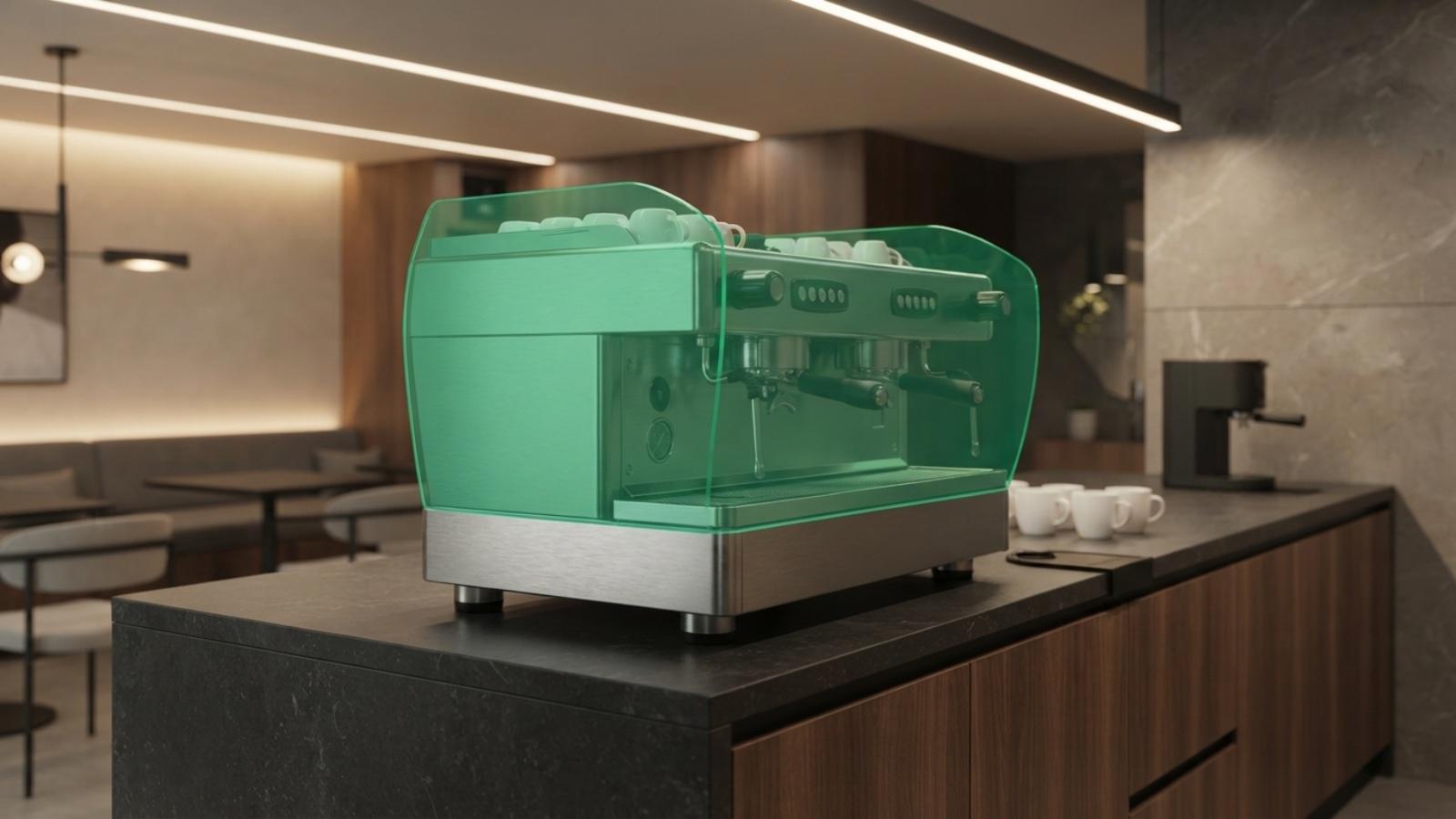
In plain English. Emily owns a coffee shop. She has $9,000 in the bank, but she needs $4,000 for payroll, rent, and supplies. If her espresso machine breaks, Emily can spend $5,000 on repairs or a replacement. That’s the amount she should compare with the potential loss.
Which Financial Risks Does Business Insurance Cover?
This article looks at financial risks from potential losses, such as property damage or a business shutdown. Insurance covers only the events and expenses included in your policy. Coverage for wear and tear, mechanical breakdowns, and theft may differ.
A loss usually has several parts:
The cost to repair or replace damaged property.
Delivery, installation, and temporary equipment rental costs.
Losses during a shutdown until sales resume.
Lost revenue and financial losses aren’t the same amount. When sales stop, some expenses may also drop. For example, Emily’s coffee shop doesn’t buy beans or milk while it’s closed. Count payroll or rent only once, even if those expenses relate to several types of losses.
How Much of a Loss Can Your Business Cover?
First, figure out how much cash you can actually use. You can’t always sell equipment or inventory quickly, and customer payments may arrive after a repair bill is due. So include only money you can access when you need to pay.
Available cash reserve = Accessible cash − Required payments for the chosen period.
Emily’s coffee shop has $9,000 in the bank. Before more money comes in, she needs to pay $4,000 for payroll, rent, and supplies. Subtract those payments: $9,000 − $4,000 = $5,000 in available cash reserves.
If the result is positive, your business has cash beyond its required payments. Whether that’s enough to cover a particular loss depends on its size. If the result is negative, you don’t have enough cash even for planned payments.
Consider how long it will take to reopen. Replacing equipment in two days and repairing your space over a month require different cash reserves for ongoing payments. Timing matters, too: money in a term deposit may be unavailable when a repair bill comes due. If sales stop, your cash receipts and expenses will also change during that period.
Insurance vs. Cash Reserves: What to Compare
The main question is whether you have enough available cash to cover a specific loss without delaying other payments.
Factor | Your Cash Reserve | Insurance |
Cost before an event | You need to build and maintain a reserve; setting money aside isn’t an expense | You pay a premium, which is the cost of insurance |
Share of the loss your business covers | The entire loss | The portion your policy doesn’t cover |
Cash immediately after an event | Available up to the amount of your reserve | The payout may arrive after you need money to resume operations |
Limits | The size and availability of your reserve | Covered events, exclusions, deductibles, and coverage limits |
Effect on other payments | Depends on how much cash you use | Depends on insurance costs, uncovered expenses, and payout timing |
What you need a reserve for | Covering the loss and resuming operations | Covering the deductible, uninsured expenses, and payments due before the payout arrives |
A deductible is the portion of a loss your insurer doesn’t reimburse under the policy. With a standard deductible, the insurer subtracts that amount from the loss when calculating your payout. With a conditional deductible, the insurer covers a loss above a set threshold without subtracting the deductible, subject to other policy terms. A coverage limit is the maximum payout for a particular event or group of events.
You can cover small losses yourself if doing so won’t delay required payments. For larger losses, consider two amounts: your final out-of-pocket cost and the cash you’ll need before an insurance payout arrives.
What to Check in a Business Insurance Policy
Compare policy terms, not just the price. These questions can help:
What exactly is insured? The listed property, address, business activities, and causes of damage should match your situation.
Which events are excluded? Check the terms for wear and tear, breakdowns, and unexpected disruptions that could affect your business.
How much could the insurer pay? Check the insured value - the amount of coverage on your property. Lower limits may apply to specific expenses or events.
How does the insurer calculate the loss? Your payout may depend on depreciation, the property’s assessed value, and how much of that value you insured.
How does the deductible work? Check its type, amount, and the dollar amount used to calculate any percentage-based deductible.
How do you get reimbursed? Check the policy’s notification deadlines, required documents, repair conditions, and payout timeline.
Before starting repairs, check whether your insurer needs to inspect the damage first. That inspection may affect how you document the loss.
Sometimes a law, lease, or loan agreement requires insurance. In those cases, your own cash reserve may not be a substitute.
Example: Replacing $15,000 in Equipment
Equipment at Emily’s coffee shop has failed completely, and replacing it costs $15,000. After accounting for required payments, she has a $5,000 cash reserve. Let’s compare two scenarios: Emily has no equipment insurance, or she bought a policy beforehand. Her reserve at the time of the loss is the same in both scenarios. In the insured scenario, she has already paid the premium.
All figures in this example are hypothetical, not market rates. We’re looking at one year and one event. The annual premium is $900, and the standard deductible is $1,000. The payout equals the agreed loss minus the deductible.
Assume the policy covers this equipment damage and the insurer accepts a $15,000 loss. The insured value and coverage limits are at least that amount, with no other payout reductions. Emily needs to replace the equipment before receiving reimbursement. This calculation excludes losses from downtime.
Step 1. Calculate the shortfall without insurance. Replacement costs $15,000, and Emily has $5,000 available. The difference is $15,000 − $5,000 = $10,000. To replace the equipment right away, Emily needs another $10,000.
Step 2. Calculate the insurance payout. Subtract the deductible from the agreed loss: $15,000 − $1,000 = $14,000. After reimbursement, Emily’s share of the equipment cost is $1,000.
Step 3. Include the cost of insurance. The premium plus the deductible equals $900 + $1,000 = $1,900. That’s Emily’s total out-of-pocket cost with the policy. She pays the premium when she buys coverage and covers the deductible herself if a covered event occurs.
Item | Without Insurance | With the Hypothetical Policy |
Loss | $15,000 | $15,000 |
Available cash reserve | $5,000 | $5,000 after paying the premium |
Annual premium | $0 | $900 |
Reimbursement | $0 | $14,000 |
Share of the loss the business covers | $15,000 | $1,000 |
Shortfall for immediate replacement | $10,000 | $10,000 until the payout arrives |
In this example, Emily ultimately pays $1,900 out of pocket with insurance, compared with $15,000 without it. But she still needs another $10,000 to replace the equipment before the payout arrives. If she needs a loan, interest adds to her costs. This example doesn’t include that interest.
If no covered event occurs, the $900 remains the cost of one year’s insurance, while the reserve remains the business’s money. This example alone doesn’t mean the policy is worth buying. Your decision depends on how likely the event is and how large the loss could be.
How to Combine Insurance With Cash Reserves
You still need a reserve when you have insurance. You use it to cover deductibles, amounts above policy limits, and expenses your policy excludes. You also need to account for cash needs before an insurance payout arrives. In the example, Emily’s reserve covers the deductible but falls short of an immediate equipment replacement.
While waiting for reimbursement, the coffee shop could consider a loan or equipment rental. The choice depends on costs and timing. Whether insurance covers equipment rental depends on the policy. The shop still needs to pay rent and wages while it’s closed, so include those amounts in the calculation.
Financial Information You Need Before Deciding
To calculate your available reserve, you need three figures: your cash on hand, upcoming payments, and debts due soon. Your current account balances alone aren’t enough.
If you track your business cash in BizFin, you already have these figures in one place. You can see balances across all accounts in the accounts section. The planned payments section lists rent, payroll, and other recurring payments with their due dates. The debts section shows what you owe and when repayment is due. You only need those three sections to calculate your available reserve.
In the balance sheet report, you can see your assets and liabilities - the debts and other amounts your business must pay. Owning assets doesn’t mean you have enough cash to resume operations.
With these figures, you can more easily compare insurance quotes. You can see which deductible you can cover and how much cash you’ll need before a payout. The policy determines whether a particular event qualifies for coverage.
Key Takeaways
Your account balance and cash reserve are different amounts. Calculate your available reserve after accounting for required payments.
The size of a loss matters. Even an unlikely event may require more cash than you have available to resume operations.
Compare policy terms, not just the price. Check covered events, deductibles, limits, and exclusions.
Payout timing affects your cash needs. You may need to reopen before reimbursement arrives.
You still need a reserve when you have insurance. Your business pays the deductible and any expenses the policy doesn’t cover.
Frequently Asked Questions
Can I skip insurance if my business has enough cash reserves?
Yes, if no law or contract requires it. Check whether your reserve could cover several losses in a row.
Is an insurance policy a waste of money if I never use it?
The premium pays for coverage over a set period. If no covered event occurs, that doesn’t mean buying the policy was a waste.
What’s the difference between a deductible and a coverage limit?
A deductible is the portion of a loss your business covers. With a standard deductible, the insurer subtracts that amount from the loss. With a conditional deductible, it reimburses a loss above a set threshold without subtracting the deductible. A coverage limit caps the payout. Both apply alongside other policy restrictions.
Does equipment insurance cover losses from downtime?
Not necessarily. Insurance covers business interruption losses only if the policy includes them. The policy must specify the covered expenses and the reimbursement period.
What if I need to reopen before the insurance payout arrives?
You can assess your available reserve, temporary equipment rental costs, or loan terms. Follow your policy’s requirements for starting repairs and documenting damage.
When should I review my insured value and cash reserve?
Review these amounts if equipment prices rise, you change locations, or your required payments increase. It also makes sense to review them before renewing your policy or after your operating conditions change.
Start seeing your money clearly
Add your accounts, record operations - and you will see where the money goes and how much is left.